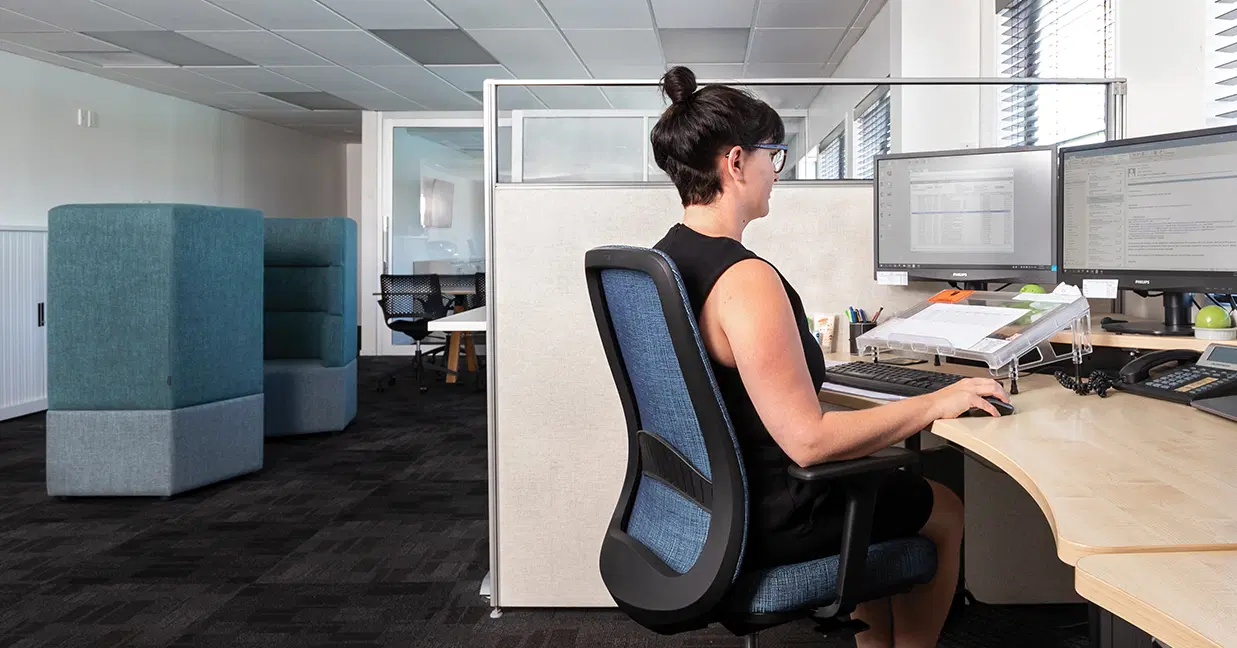
Measurement ledger
Annotate tabletop depth beside column spacing. When columns exceed 620 mm, sketch secondary work surfaces perpendicular to glare lines instead of coaxial with the window wall.
Modular planning · NZ residential context
We document furniture spacing, cabling paths, and monitor placement strictly as interior arrangement notes—without suggesting medical outcomes—and keep language transparent for independent verification.
Each module pairs a monochrome measurement rail with tactile photography sourced from lived-in apartments—not showroom sets—so planners can correlate depth cues with actual furniture footprints.
Annotate tabletop depth beside column spacing. When columns exceed 620 mm, sketch secondary work surfaces perpendicular to glare lines instead of coaxial with the window wall.
Cross-check every drawing against the physical doorway swing radius before committing to cable raceways screwed into trims.

Borrow whichever tile fits the lease footprint. Figures remain descriptive, not prescriptive about human performance.
Pivot the primary tabletop twenty degrees when a walkway bisects the room. Maintain 780 mm corridors for wheeled carts used by occupants.

Sandwich storage between masonry and workstation to tame acoustic reflections bouncing toward microphones during remote meetings.

Clamp a slender rail perpendicular to sightlines only after confirming ceiling anchor tolerances disclosed by the dwelling manager.

Continue with annotated sketches inside the dimensional canvas, inspect budget-tier substitutions in the analogue catalogue, or send dimensions through the contact pane for manual logging by our coordinators.